
Gamification in 2026: The Complete Guide to Engagement, Motivation & Growth
Discover how gamification in 2026 boosts engagement, motivation, and business growth through rewards, AI-driven experiences, leaderboards, and interactive digital strategies.
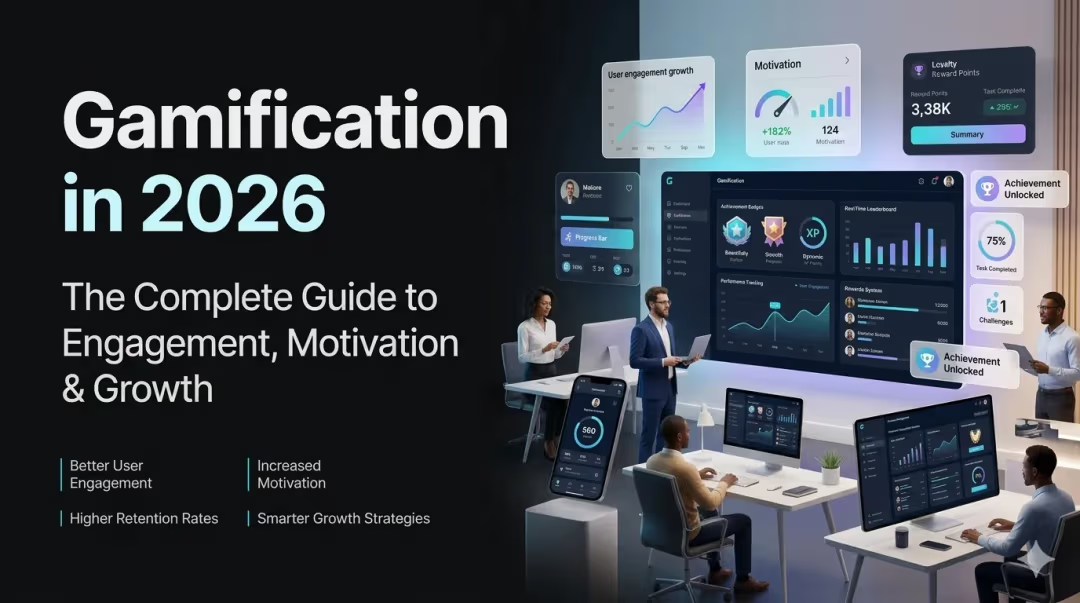
What Is Gamification?
The last time you opened a language app and felt a small rush of satisfaction keeping your streak alive, that feeling did not happen by accident. Someone designed it.
Gamification is the practice of applying game mechanics to activities that have nothing to do with games. You are still learning, exercising, shopping, or working. What changes is how the experience feels. Done well, it turns routine tasks into something people actually look forward to.
The concept has been around since the early 2000s, but it entered mainstream business around 2010 when brands like Nike and Starbucks proved it could turn casual customers into loyal, habitual ones. By 2026, it will have moved well beyond a trend; it is a fundamental design discipline.
The Psychology That Makes It Work
Before looking at examples or strategies, it helps to understand what is actually happening in the brain when someone engages with a well-designed reward system.
Dopamine and Reward Anticipation
Dopamine is the chemical the brain releases in response to reward, but research shows it peaks during anticipation, not after the reward arrives. A progress bar at 90% does not just inform you; it creates a tension your brain actively wants to resolve. That tension keeps people engaged far longer than content alone ever could.
The Power of Unpredictable Rewards
Fixed rewards are predictable, and predictable things stop being interesting quickly. B.F. Skinner's research on variable reward schedules showed that unpredictable outcomes produce the strongest and most persistent behaviors. This is why surprise bonus points, mystery badges, and random milestone celebrations work; the uncertainty itself is motivating.
Two Types of Motivation
Understanding the difference between extrinsic and intrinsic motivation is probably the most important thing you can know before designing or evaluating any engagement system.
Extrinsic motivation is driven by external rewards, such as points, discounts, and prizes. It is excellent for getting people started.
Intrinsic motivation is the genuine satisfaction of mastering something or making real progress. This is what keeps people engaged long-term.
Systems built entirely on extrinsic rewards are fragile. Remove the prizes, and the engagement disappears. The goal is to use early rewards as a bridge toward something the user genuinely cares about.
Why Streaks Create Such Strong Habits
Streaks work because of a cognitive bias called loss aversion; people feel the pain of losing something more acutely than the pleasure of gaining it. After a week of consistent check-ins, the streak feels like something you already own. The thought of losing it is often more motivating than the prospect of gaining a new reward.
Real Examples Worth Studying
Duolingo Making Failure Feel Safe
Duolingo does not just gamify language learning it rethinks what learning should feel like. Streaks, XP, league competitions, and animated celebrations work together rather than independently. The real insight is how failure is handled: losing a heart stings a little but does not erase your progress. That balance of low cost of failure, high emotional reward for success, is what keeps over 500 million users coming back.
Starbucks Rewards Loyalty That Converts
Stars accumulate toward free drinks. Bonus challenges encourage specific purchases. Tiered status gives customers something to aspire toward. The result is not just increased visits, it is a fundamentally different relationship with the brand. Enrolled members spend roughly three times more than those who are not. That number alone explains why loyalty mechanics have become standard practice in retail.
LinkedIn's Profile Completion Bar
There is no badge for completing your LinkedIn profile. No reward beyond the completed bar itself. Yet it works, consistently, across hundreds of millions of users. The discomfort of an unfinished progress bar sitting at 78%, quietly judging you, is enough. It is a masterclass in using the psychology of incompleteness without a single point or prize.
Nike Run Club Bridging the Motivation Gap
Most people do not struggle to exercise. They struggle on the days when motivation is low, and the couch is comfortable. Nike Run Club addresses exactly that gap. Milestone badges, friend challenges, and coaching milestones give runners a reason to go out that exists independently of how they feel that morning. The system does not create motivation from nothing; it sustains existing motivation past the moments when it would otherwise collapse.
Fitbit and Healthy Competition
Fitbit's friend comparison features add a social dimension that purely personal tracking cannot provide. Knowing that someone you know is 2,000 steps ahead of you today is a genuinely effective motivator, not because of the points, but because of the social relationship attached to them. The leaderboard becomes meaningful because the people on it matter to you.
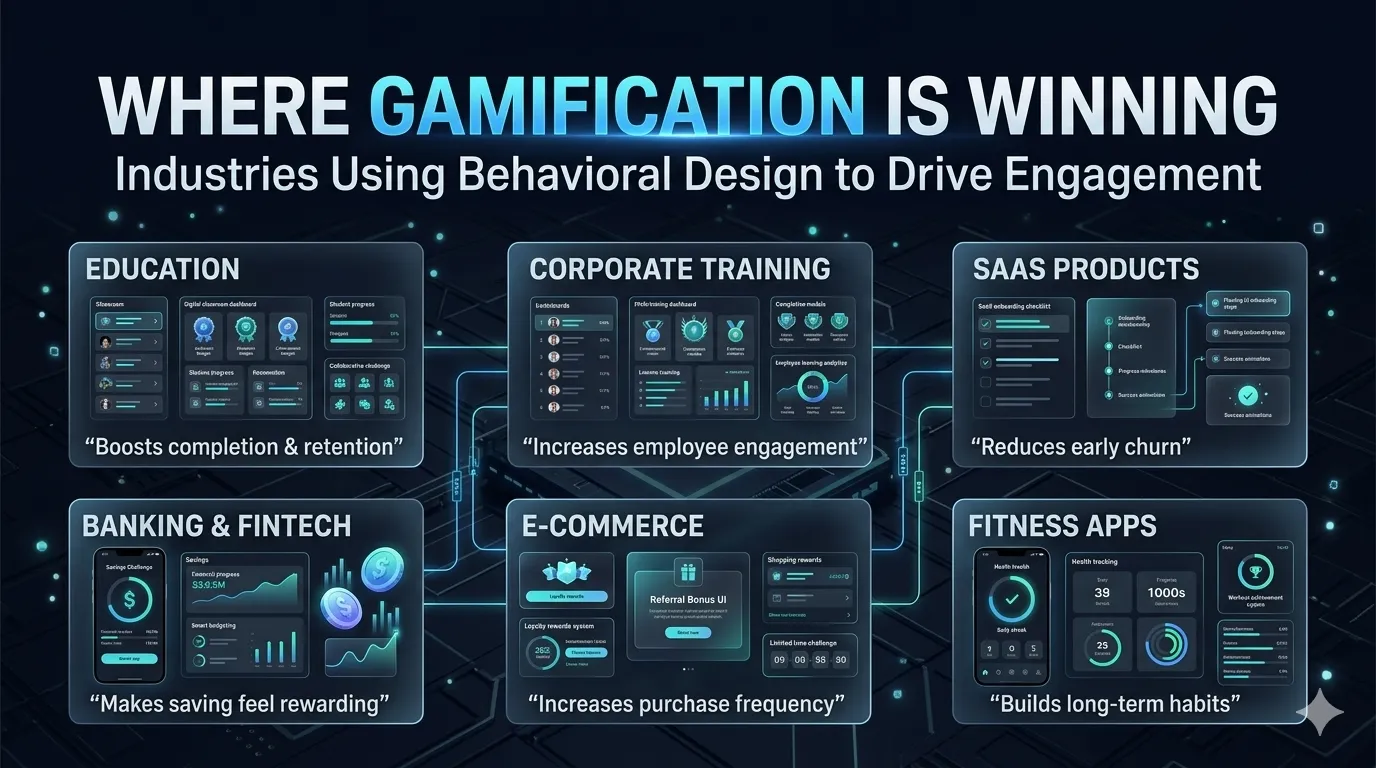
Where It Is Being Applied
Education: Achievement systems, collaborative challenges, and progress tracking improve completion rates and retention in ways that grades alone rarely achieve.
Corporate Training: Completion badges and leaderboards address one of the most persistent problems in enterprise learning, getting employees to actually finish their modules.
SaaS Products: Onboarding checklists and first-action milestones reduce early churn by making the path to value clear and rewarding.
Banking and Fintech: Savings challenges and visual goal trackers reframe financial discipline as something that feels like progress rather than restraint.
E-Commerce: Points, referral bonuses, and time-limited challenges increase purchase frequency while building emotional connection to the brand.
Fitness Apps: Apps like Noom and MyFitnessPal sustain healthy behaviors far longer than willpower alone by making daily check-ins feel like genuine progress.
Gamification vs. Game-Based Learning
These terms are often used interchangeably, but they describe genuinely different approaches.
Dimension | Gamification | Game-Based Learning |
|---|---|---|
Core Idea | Game mechanics layered onto an existing task | Learning happens inside an actual game |
Structure | The task stays the same; the layer changes how it feels | The game is a learning experience |
Example | Earning badges for completing a corporate module | A business simulation where decisions have consequences |
Best For | Sustaining habits, loyalty, and daily engagement | Building judgment, complex skills, scenario thinking |
Limitation | Can feel hollow if rewards are not meaningful | Requires significant design investment to do well |
One approach adds a layer to what already exists. The other builds something new from the ground up. Both have value; the choice depends on what you are actually trying to teach or change.
Why It Often Goes Wrong
Poorly designed reward systems do not just fail quietly; they actively damage trust and make users less engaged than they were before. These are the patterns that appear most often.
Rewards That Feel Meaningless
A badge for checking in three days in a row sounds like an achievement. But if it carries no real weight, no social visibility, no tangible benefit, no connection to genuine progress, it registers as hollow within days. Rewards only work when they feel earned.
Leaderboards That Discourage Most Users
A single public ranking benefits the people at the top and demoralizes everyone else. Users who are permanently near the bottom do not compete harder; they stop engaging entirely. The fix is surprisingly simple: segment leaderboards by peer group, focus on personal bests, or make rankings visible only when they are motivating rather than discouraging.
Systems Too Complicated to Understand
If users need to be explained how your reward system works, the design has already failed. The best systems are felt before they are understood. Complexity kills the instinctive engagement that makes these mechanics effective.
No Evolution Over Time
Static reward systems decay. Users exhaust the novelty, collect what there is to collect, and leave. Sustainable systems need new challenges, rotating rewards, and updated goals that give people a reason to keep going.
What Separates Good Design from Bad
Dimension | Done Well | Done Poorly |
|---|---|---|
Rewards | Meaningful, scarce, connected to real progress | Frequent, cheap, easy to ignore |
Leaderboards | Segmented by peer group or focused on personal bests | One global rank that demoralizes most |
Alignment | Rewards behavior that the user genuinely values | Rewards behavior that only benefits the company |
Longevity | Evolves with new content and fresh challenges | Static from launch, stale within weeks |
Transparency | Rules are clear, and outcomes feel fair | Opaque systems that feel arbitrary or manipulative |
The Ethical Dimension
Any system this effective at shaping behavior deserves honest scrutiny. These are the concerns worth taking seriously.
Compulsive patterns: Variable rewards and streaks can slide from motivating to compulsive when a product is optimized for time-on-screen rather than user benefit. The intent behind the design matters enormously.
User vs. business interests: Pushing users toward behaviors that serve the company's extra spending, unnecessary data sharing at the expense of their well-being, crosses an ethical line that good design does not cross.
Workplace dynamics: Competitive mechanics in professional environments carry extra risk. When power dynamics already exist, adding pressure through rankings can create anxiety rather than healthy motivation.
Data and privacy: These systems collect detailed behavioral data. How that information is stored, shared, or monetized is a question most users never think to ask, which makes transparency from the company all the more important.
Users in 2026 are more sophisticated about recognizing when an experience has been engineered to exploit rather than serve them. Companies that design with genuine user benefit in mind tend to build lasting loyalty. Those who optimize only for engagement metrics tend to face backlash.
What AI Is Changing in 2026
The most significant shift happening right now is the move from generic, one-size-fits-all reward systems to experiences that adapt to individual users in real time.
Personalization That Actually Means Something
Traditional systems show every user the same leaderboard, the same badges, the same challenges. AI changes this fundamentally. A competitive user gets a different experience than a social one. A user who responds to mastery gets different challenges than one who responds to social recognition. The system reads behavior and adjusts not just at onboarding, but continuously.
Catching Disengagement Before It Happens
AI can detect the behavioral patterns that typically precede a user dropping off, reduced frequency, shorter sessions, ignored notifications, and respond before the user is already gone. A well-timed personalized challenge, a streak-saver reward, or a relevant social nudge at the right moment is far more effective than any re-engagement campaign after the fact.
Trends Worth Watching
Narrative systems that make users feel like characters in an ongoing story rather than collectors of points.
AR layers that bring engagement mechanics into physical environments, early enterprise training tools are already experimenting with this.
A growing design movement focused on wellbeing outcomes rather than engagement metrics, measuring whether users are actually better off, not just more active.
Conclusion
Gamification, when done well, is one of the most powerful tools available to designers, marketers, and educators. It works because it respects how human brains actually function, seeking rewards, avoiding loss, craving progress, and responding to social signals.
The line between gamification that builds loyalty and gamification that destroys trust comes down to intent. Design for the user’s genuine benefit, and the results follow. Design only for your metrics, and users will eventually feel it.
In 2026, as AI makes personalized engagement more powerful than ever, that distinction matters more than it ever has. Use these tools wisely.
Frequently Asked Questions
Q: Does gamification work for all users?
Not equally. Competitive users respond to leaderboards. Achievement-driven users prefer badges and levels. Social users engage with team challenges. The best systems offer multiple paths to keep different personality types engaged.
Q: Can gamification backfire?
Yes. Poor design causes reward fatigue, anxiety, and disengagement. Gamification must be designed with genuine user benefit in mind, not just business metrics.
Q: How is AI changing gamification?
AI enables personalized reward structures, adaptive difficulty, predictive churn prevention, and individualized challenge design, making gamification more effective and less generic than ever before.
Share this article
Related Articles
Best CPU for Gaming 2026: Top Picks for Every Budget
Find the best gaming CPUs for 2026 with top AMD and Intel picks for every budget. Compare performance, FPS, value, and future-proof gaming power.
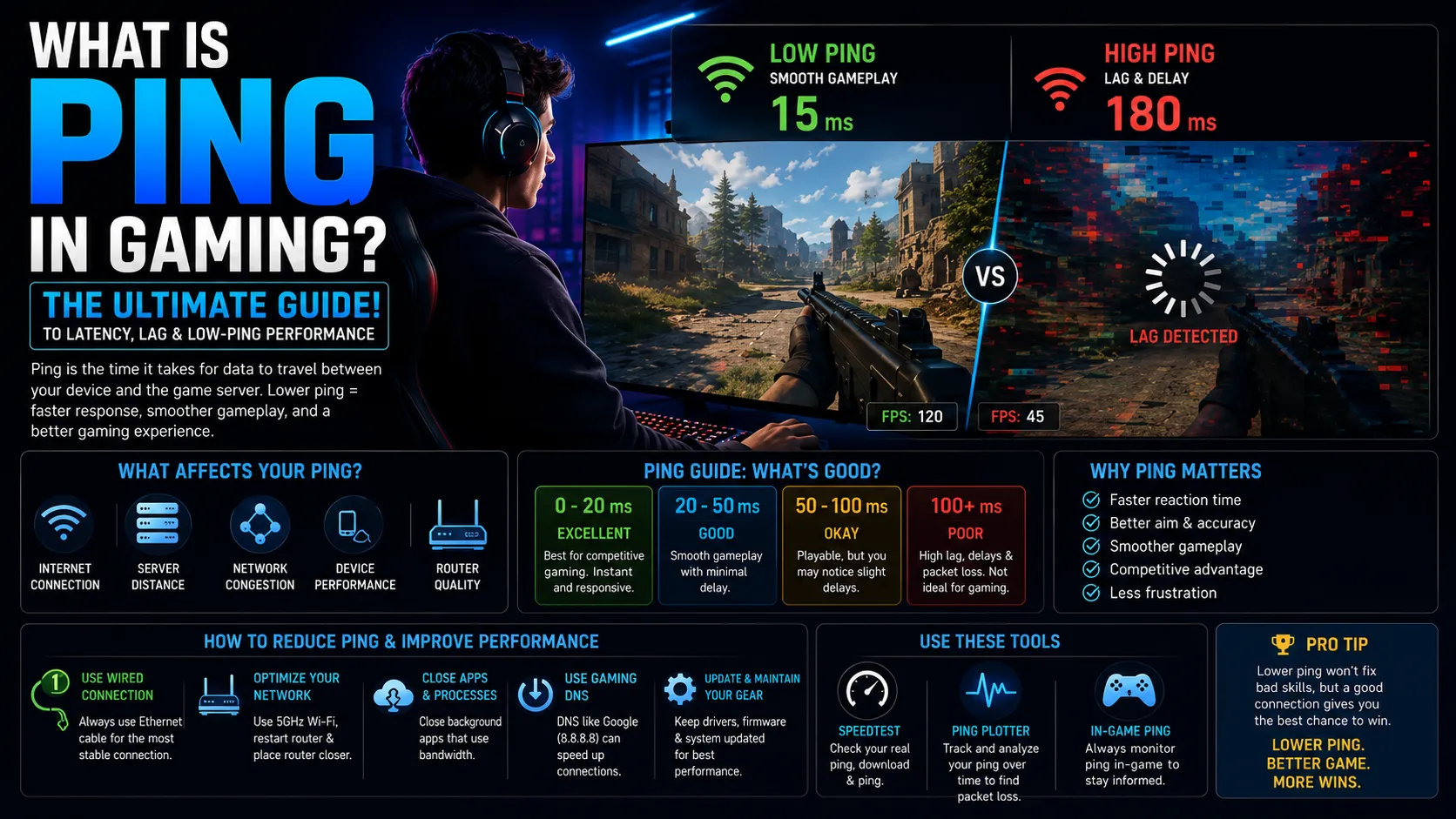
What Is Ping in Gaming? The Ultimate Guide to Latency, Lag & Low-Ping Performance
Low ping can mean the difference between victory and defeat. Learn what ping really is, how latency affects online gaming, and the best ways to reduce lag for smoother, faster gameplay in 2026.
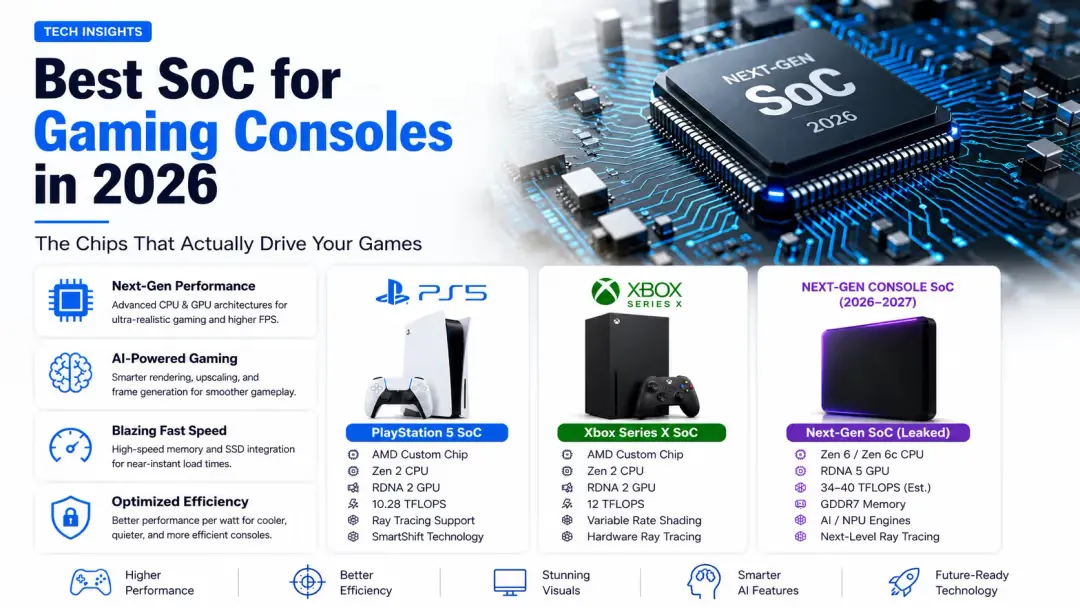
Best SoC for Gaming Consoles in 2026: The Chips That Actually Drive Your Games
Explore the most powerful gaming console SoCs of 2026, from advanced AMD and NVIDIA chips to next-gen AI-powered processors delivering smoother gameplay and faster performance.