
NFT Treasure Explained: What It Is, How It Works, and How to Navigate Digital Asset Ownership Safely
Discover NFT treasure and how digital assets work in 2026. Learn what NFTs are, how ownership works, and how to safely explore, trade, and protect your digital collectibles.
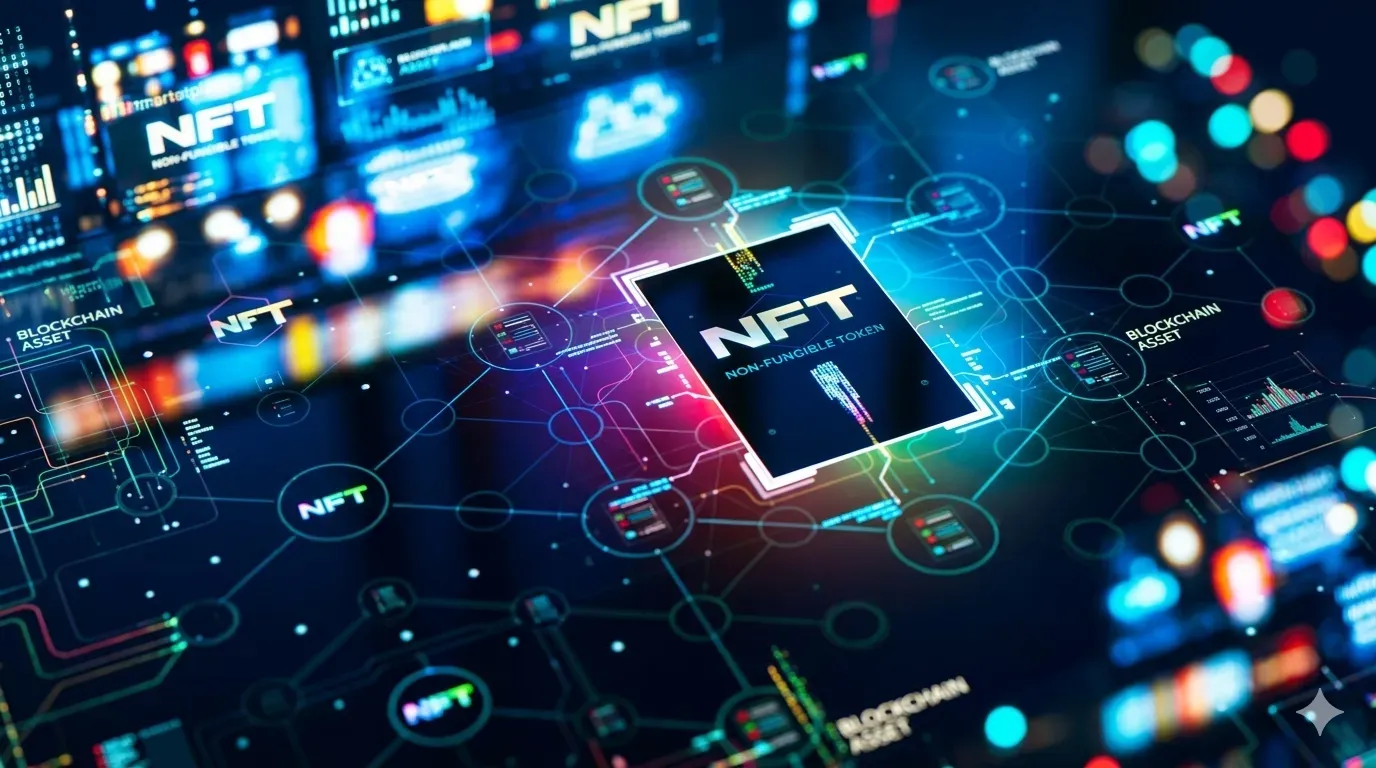
NFTs Promised a Revolution, Most People Are Still Confused
You keep hearing about NFTs. Someone made a million dollars selling a digital picture. Someone else lost everything chasing hype. There are stories of rare digital collectibles, blockchain ownership, and digital assets that hold real-world value, and just as many stories of scams, crashes, and regret.
If you have ever wondered what NFT Treasure actually means, whether it is worth paying attention to, or how to participate without getting burned, you are in the right place.
This guide cuts through the noise. It explains what NFT Treasure is, how the technology works, what gives digital assets real value, and how to approach the space safely and intelligently, whether you are curious, cautious, or ready to explore.
What Is NFT Treasure?
To understand NFT Treasure, you first need to understand NFTs.
An NFT, or non-fungible token, is a unique digital asset stored on a blockchain. Unlike a regular cryptocurrency (where one Bitcoin equals any other Bitcoin), each NFT is one of a kind. It has a unique identifier that proves its authenticity, ownership history, and scarcity.
Think of it like a signed original painting versus a printed copy. Both might look the same on your wall. But only one has a verifiable certificate of authenticity, and only one carries the value that comes with it.
NFT Treasure refers to rare, valuable, or highly sought-after NFTs, digital collectibles, artworks, in-game items, or digital assets that carry significant worth due to their rarity, creator reputation, cultural significance, or community demand.
The word “treasure” is not just marketing language. In the NFT world, certain tokens genuinely function like rare artefacts, historically significant, and worth considerably more than their face value to the right buyer.
Real-Life Examples of NFT Treasure
A one-of-one digital artwork by a well-known crypto artist that sold at auction for more than a physical Picasso
A rare character from an early NFT collection that has only 50 copies in existence, making it far more valuable than the thousands of common variants
A limited-edition digital wearable in a popular metaverse game that gives its holder exclusive in-game benefits
A founding-era token from a landmark Web3 project that carries historical significance in the blockchain community
In each case, the NFT’s “treasure” status comes from a combination of scarcity, story, and community value.
How NFT Treasure Works
Understanding what NFT Treasure is means understanding the technology underneath it, and it is simpler than it sounds.
Blockchain Technology
Every NFT lives on a blockchain, a distributed digital ledger that records transactions across thousands of computers simultaneously. No single person controls it. No entry can be altered without consensus from the network.
When an NFT is created (a process called “minting”), a permanent record is written to the blockchain. That record includes the NFT’s unique identifier, the creator’s wallet address, and the complete history of every owner since creation.
This is what makes NFT ownership real and verifiable. You do not need to trust the seller’s word. The blockchain shows you exactly who created the NFT, when, and every wallet it has passed through since.
Ownership Records
When you buy an NFT, the blockchain records the transfer from the seller’s wallet to yours. Your wallet address becomes the verified owner of that token, publicly visible and cryptographically secure.
You cannot fake this. You cannot alter it. Anyone can verify that you own a specific NFT at any time, which is exactly what makes digital ownership meaningful in a way that was not possible before blockchain.
The Buying and Selling Process
NFTs are bought and sold on digital marketplaces using cryptocurrency, most commonly Ethereum (ETH), though other blockchains like Solana and Polygon support NFT transactions too.
The basic process works like this:
A creator mints an NFT and lists it for sale on a marketplace
A buyer connects their crypto wallet, reviews the listing, and purchases the NFT
The transaction is recorded on the blockchain
The NFT transfers to the buyer’s wallet
The seller receives the cryptocurrency payment
Some NFTs are sold at fixed prices. Others are auctioned. Many creators also embed royalty mechanisms, meaning they automatically receive a percentage of every future resale, forever.
From a practical perspective, this royalty feature is one of the most genuinely innovative aspects of NFT technology. It allows creators to benefit from the long-term value of their work in a way traditional art markets have never allowed.
NFT Marketplaces Where Treasure Is Bought and Sold
NFT marketplaces are the platforms where creators list their NFTs and buyers discover, bid on, and purchase them. They function similarly to an online auction house or e-commerce store, but for digital assets.
How NFT Marketplaces Work Step by Step
Set up a crypto wallet: Before you can buy anything, you need a digital wallet that supports NFTs. This wallet stores your cryptocurrency and your NFTs. You control it with a private key, a password that should never be shared with anyone.
Fund your wallet: Purchase cryptocurrency (typically Ethereum) through a crypto exchange and transfer it to your wallet. Make sure you have slightly more than the price of the NFT blockchain transactions, carrying small fees called “gas fees.”
Connect to a marketplace: Visit an NFT marketplace and connect your wallet. This does not give the platform access to your funds; it simply lets you sign transactions from that wallet.
Browse and research: Search for NFTs by collection, creator, price, or rarity. Review the NFT’s ownership history, the creator’s profile and reputation, and recent sales data for similar items.
Purchase or bid: Choose a fixed-price purchase or place a bid in an auction. Confirm the transaction in your wallet. The NFT transfers to your wallet once the transaction clears on the blockchain.
View your collection: Your NFT appears in your wallet and on your marketplace profile as a verified owner.
Types of Marketplaces
General marketplaces: large platforms hosting a wide range of NFT categories from art to gaming items to music
Curated marketplaces: invite-only or juried platforms hosting high-quality digital art with careful curation
Game-specific platforms: marketplaces dedicated to buying and selling in-game NFT assets
Creator-owned stores: individual artists and projects launching their own direct-to-buyer minting sites
Each type suits a different buyer. General platforms offer variety and liquidity. Curated platforms offer quality assurance. Understanding which type fits your goal helps you shop more effectively.
NFT Value and Rarity: What Makes a Digital Asset a Treasure?
This is the question most beginners get wrong, and getting it wrong is expensive.
Many people assume NFTs have value simply because they exist on a blockchain. They do not. The blockchain proves ownership and authenticity. It does not create value by itself. Value comes from several interconnected factors.
Rarity
Most NFT collections use a tiered rarity system. A collection of 10,000 NFTs might include 5,000 common variants, 3,000 uncommon, 1,500 rare, 400 very rare, and only 100 legendary pieces.
The rarer the traits, unusual background colours, special accessories, and unique features, the more valuable the NFT tends to be. Rarity alone does not guarantee value, but scarcity is a foundational component of it.
Demand and Community
An NFT is only worth what someone is willing to pay for it. Demand is driven by community size, cultural relevance, media attention, and the utility or status the NFT provides.
A rare NFT from a project with an engaged community of 200,000 holders is worth far more than an equally rare NFT from a project nobody has heard of. Community is the engine of NFT value.
Creator Reputation
NFTs created by established artists, well-known brands, or respected figures in the Web3 space carry a reputation premium. When a landmark digital artist releases a new collection, the demand and price reflect their track record and cultural standing.
New creators without track records can still produce valuable work, but buyers take on more risk.
Historical Significance
Some NFTs carry value simply because of when they were created. The earliest NFT projects created when the technology was experimental, and the community was tiny, are treated like artefacts. Their age and place in blockchain history give them a value that newer, technically superior projects may never match.
From a practical perspective, understanding value before you buy is the most important skill in the NFT space. Never buy an NFT based purely on aesthetics or hype. Research the project, the community, the creator, and the historical sales data first.
How to Store NFTs: Security Is Non-Negotiable
Many people spend significant time researching which NFTs to buy and almost no time thinking about how to store them safely. This is a serious mistake.
Crypto Wallets
Your NFTs live in your crypto wallet, a digital container secured by a private key (a long string of characters, usually represented as a 12 or 24-word seed phrase).
There are two main types:
Hot wallets are connected to the internet. They are convenient for active trading but more vulnerable to hacks and phishing attacks. Most buyers start with a hot wallet for everyday transactions.
Cold wallets (hardware wallets) are physical devices similar to a USB drive that store your private keys offline. They are significantly more secure because they cannot be accessed remotely. For valuable NFTs, cold storage is the standard.
Security Basics Every NFT Owner Should Follow
Never share your seed phrase: Not with customer support, not with friends, not with any website. Anyone who asks for it is attempting to steal your assets.
Use a hardware wallet for NFTs worth more than you are comfortable losing.
Verify every URL before connecting your wallet. Phishing sites mimic legitimate marketplaces almost perfectly.
Revoke unnecessary wallet permissions regularly. Many NFT interactions grant apps ongoing access to your wallet audit and remove these periodically.
Keep your seed phrase written down offline: stored in a safe place, never in a photo, email, or cloud document.
Why Storage Matters
In real life, people often lose their NFTs not to market crashes but to their own security lapses. A compromised wallet means your assets are gone permanently. Blockchain transactions are irreversible. There is no customer support line. There is no dispute process. Prevention is everything.
NFT Investment and Risks: The Honest Picture
NFTs have created genuine wealth for early adopters, creators, and savvy collectors. They have also destroyed savings for people who chased hype without understanding what they were buying.
Both things are true. Here is the honest picture.
The Potential Upside
Early investment in high-quality projects has produced extraordinary returns. Some NFTs purchased for the equivalent of a few dollars have sold for hundreds of thousands
NFT ownership can provide real utility, community access, event tickets, in-game advantages, and governance rights in Web3 projects
The royalty system means creators and early holders can benefit from long-term value appreciation
NFTs represent a genuinely new model of digital ownership with applications that extend well beyond art and collectibles
The Risks
Market volatility is extreme. NFT prices can rise and fall by 80–90% in months. Projects that looked unstoppable in a bull market have become worthless in a bear market.
Liquidity risk is real. Unlike stocks or cryptocurrency, some NFTs are very difficult to sell. If demand disappears, you may hold an asset with no willing buyer at any price.
Scams are widespread. Fake collections, rug pulls (where developers abandon a project after raising funds), phishing attacks, and counterfeit NFTs are common. The decentralised nature of the space means there is limited regulation and almost no recourse for victims.
Speculation risk. Many NFTs have no intrinsic utility; their value depends entirely on someone else wanting to pay more for them in the future. This is not investing. It is speculation.
The bottom line: only allocate money to NFTs that you can genuinely afford to lose entirely. Treat it as a high-risk, high-reward category, not a savings strategy.
How to Safely Explore NFT Treasure: A Practical Strategy
In real life, people often jump into NFTs driven by excitement and social media pressure and pay for them. A measured, research-first approach produces far better outcomes.
Educate Yourself First
Spend at least two to four weeks reading about NFTs, blockchain technology, and specific projects before spending a single dollar. Follow respected voices in the Web3 space. Understand the technology, the culture, and the risks.
Start With a Small, Defined Budget
Decide on the maximum amount you are willing to lose completely. Not your comfort loss limit is your total loss limit. Start with a fraction of that for your first purchase.
Research Every Project Thoroughly
Before buying any NFT, answer these questions:
Who created this project? What is their track record?
How active and engaged is the community?
What is the roadmap? Does the project have a clear direction?
What is the current floor price and trading volume?
Has the collection been verified on the marketplace?
Are the smart contracts audited?
If you cannot find clear answers to these questions, that is your answer.
Buy From Verified Sources Only
Use established, reputable marketplaces. Buy from verified creator accounts. Always navigate directly to the marketplace URL rather than clicking links in social media or messages.
Secure Your Assets Immediately
Once you have purchased an NFT of meaningful value, move it to cold storage. Do not leave significant assets in a hot wallet connected to the internet.
Review and Reassess Regularly
The NFT market moves fast. Projects that look healthy today can change dramatically within weeks. Review your holdings monthly. Know your exit criteria: at what price or under what circumstances would you sell? Having a plan prevents panic-driven decisions.
Common Mistakes in the NFT Space
Mistake 1: Buying Without Research
Many beginners make this mistake when they see a collection trending on social media, feel the fear of missing out, and buy without understanding what they are purchasing.
Fix: No purchase without research. Every time, without exception.
Mistake 2: Ignoring Security
Setting up a wallet in five minutes and leaving valuable assets in it with no additional security is extremely common and extremely dangerous.
Fix: Treat your wallet like a bank account. Use hardware storage for valuable holdings. Never share your seed phrase.
Mistake 3: Following Hype
In real life, people often follow hype and lose money. The NFTs that generate the most social media buzz are often already past their peak by the time casual buyers discover them.
Fix: Look for projects with genuine utility, strong communities, and sustainable momentum, not just viral moments.
Mistake 4: Over-Investing
Allocating significant savings, emergency funds, or borrowed money to NFTs is a path to serious financial harm.
Fix: Treat NFTs as a high-risk speculative category. Cap your total exposure at an amount you could lose without affecting your financial stability.
Conclusion
The NFT space contains genuine innovation, genuine opportunity, and genuine risk often in equal measure. Digital ownership is a real technological breakthrough. Some NFT collections represent authentic cultural and financial value. And the tools to participate safely are available to anyone willing to invest the time to learn them.
But the space also contains hype, fraud, and the financial wreckage of people who moved too fast with too little knowledge.
The difference between the two outcomes is almost always the same: research, security, patience, and a disciplined approach to risk.
Treat NFT Treasure as exactly that, something worth understanding carefully before reaching for. The most successful participants in the NFT space are not the fastest. They are the most informed.
Frequently Asked Questions
Q: What is NFT Treasure?
NFT Treasure refers to rare, valuable, or historically significant non-fungible tokens, digital assets stored on a blockchain that carry worth due to their scarcity, creator reputation, community demand, or cultural importance. The term is used both to describe specific NFT projects and to capture the broader concept of high-value digital collectibles.
Q: How does NFT Treasure work?
NFT Treasure works through blockchain technology. Each NFT is a unique token with a verifiable ownership record stored on a decentralised ledger. Buyers purchase NFTs using cryptocurrency on digital marketplaces. Ownership transfers are recorded permanently on the blockchain, proving authenticity without requiring trust in any central authority.
Q: Is NFT Treasure safe?
The underlying blockchain technology is secure. The risks in the NFT space come primarily from human factors, scams, phishing attacks, poor security practices, and market speculation. With proper research, secure storage, and disciplined budget management, participation in the NFT space can be managed safely. However, financial risk from market volatility is real and significant.
Q: How do I buy NFT treasures?
To buy NFTs, you need a crypto wallet funded with cryptocurrency (typically Ethereum), connected to a reputable NFT marketplace. Research the project thoroughly before purchasing, verify the creator’s account, and confirm the transaction only from the marketplace’s official website. Transfer valuable purchases to cold storage after buying.
Q: Why do NFTs have value?
NFTs have value for the same reasons other collectibles and assets have value: scarcity, demand, creator reputation, historical significance, and community. The blockchain provides the provenance and authenticity verification that underpins ownership. What it cannot provide is value itself that comes from human perception, cultural relevance, and market demand, which means it can rise and fall significantly over time.
Share this article
Related Articles
10 Best AML Transaction Monitoring Software in 2026: Compare Top Platforms
Discover the best AML transaction monitoring software for 2026, with platform comparisons, pricing, features, and options for banks and accountants.
Top 10 Best Face Verification Software in 2026: The Complete Buyer's Guide
Discover the 10 best face verification software in 2026. Compare Jumio, iProov, FaceTec, Veriff, Incode, and more for secure identity verification.
Top 10 Best KYC Providers in the USA for 2026
Explore the 10 best fintech companies in the UK, including Revolut, Wise, Monzo, Starling Bank, and leading firms for banking, payments, and lending.